Everything You Need To Know About Clutch Service
That sudden smell of burning toast while shifting gears isn’t something casual that you can ignore. It is the scent of friction material disintegrating under your hood, signalling a repair that could be expensive if ignored. Your clutch is the unsung hero of your vehicle, yet most drivers don’t realise it’s failing until they’re stranded on the side of the road.
Whether you’re dealing with a spongy pedal, gear slippage, or a grinding noise, understanding the mechanics of a clutch service is the difference between a simple adjustment and a total transmission repair. In this article, we will discuss the signs and types of clutch service, and how to prevent clutch wear to prevent future issues.
Understanding Clutch Service
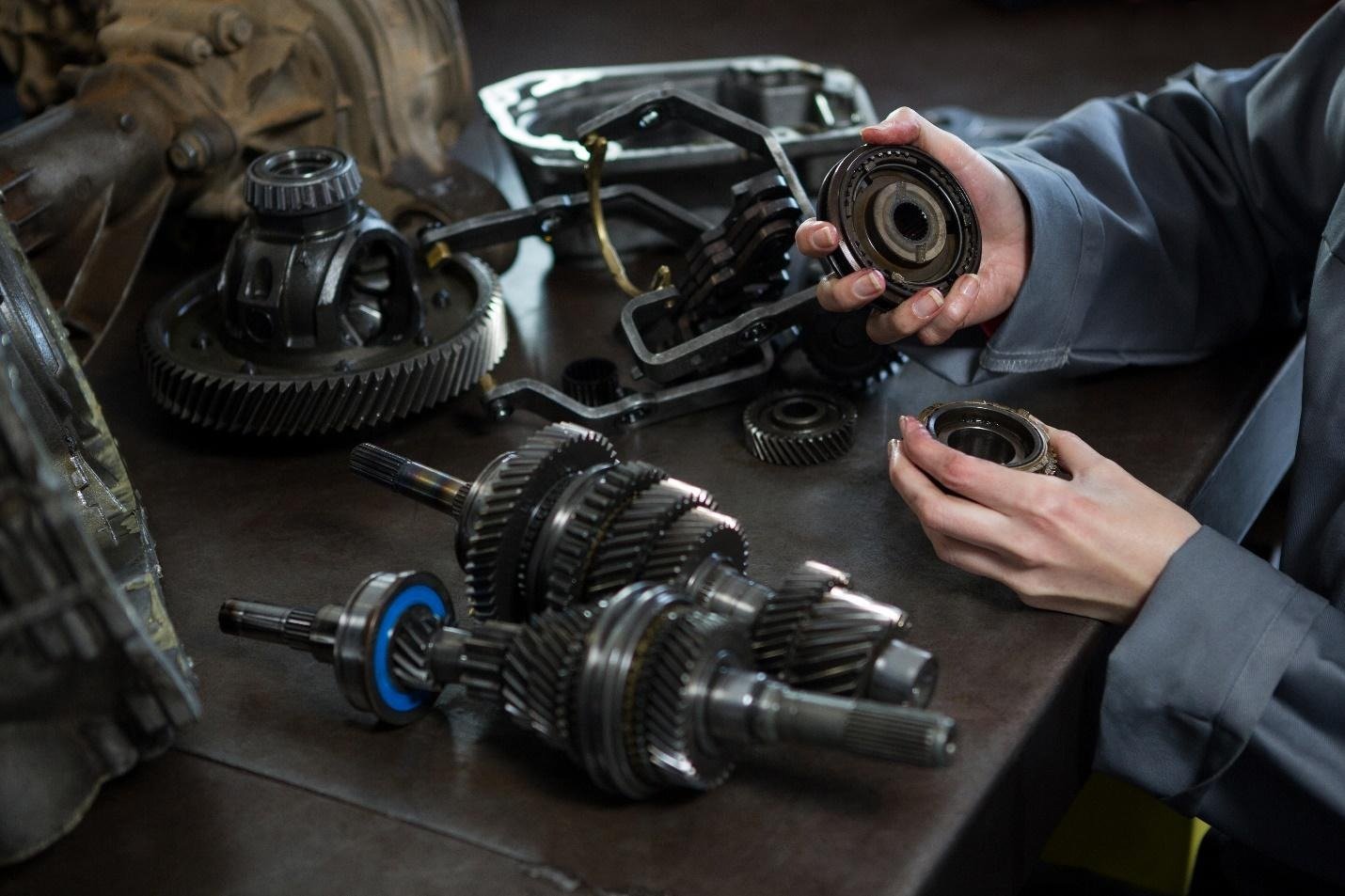
Clutch service involves inspecting, adjusting, repairing, or replacing the components of a vehicle’s clutch system. It includes the clutch plate, pressure plate, and release bearing. Clutch repair services ensure smooth gear changes and efficient power transfer from the engine to the transmission.
It addresses issues like slipping, sticking, or a soft pedal for better performance and to prevent costly damage. It can range from simple pedal adjustments and hydraulic fluid checks to full clutch kit replacements when parts are worn.
Signs Your Clutch Needs Repair
Understanding the signs when your clutch needs repair helps you avoid them and save you from expensive repairs and replacements. The following are the signs that your clutch needs repairs:
- Slipping Clutch: When the vehicle doesn’t accelerate proportionally, especially when accelerating hard or going uphill, it indicates the clutch isn’t gripping properly.
- Difficulty Shifting Gears: Grinding, crunching, or resistance when trying to engage gears, or gears popping out of place.
- Changes in Pedal Feel: The pedal feels too soft, spongy, stiff, loose, or sticks to the floor, suggesting hydraulic problems or worn components.
- Unusual Noises: Squealing, grinding, or rumbling sounds when pressing or releasing the clutch pedal.
- Burning Smell: A distinct burnt odour, often from excessive friction or overheating during traffic or hard driving.
- Vibrations: Shuddering or trembling felt through the pedal or car when engaging the clutch.
Types of Clutch Repairs
The service clutch needs depend on the type of issue.
Full Clutch Replacement: The most common repair is replacing the clutch disc, pressure plate, and release bearing when worn.
Hydraulic System Repair: For hydraulic clutches, this involves fixing leaks or replacing the cylinders, which can cause spongy pedals or poor engagement.
Cable Replacement: For cable-operated clutches, adjustments or cable replacement can fix issues with the pedal feel or engagement.
Bushing Service: A small, often overlooked part that can cause noise or poor shifting, usually replaced during a full clutch service.
Minor Adjustments: Early signs of wear might be fixable with adjustments, but significant wear usually requires part replacement.
See also: Avoiding Pitfalls When Sourcing from LED Strip Light Manufacturers
Clutch Service Process
The following is the process of clutch service:
- Inspection
Inspect the vehicle, disconnect the battery, and lift the car on a level surface.
- Disassembly
Remove the shifter, driveshaft, exhaust sections, starter, clutch lines, and transmission fluid.
- Replacement
According to the damage, replace or repair the specific parts
- Reassembly
The transmission is settled back, bolted in, and clutch fluids are checked.
- Testing
Reconnect the battery and conduct a vehicle test drive to ensure the clutch is repaired.