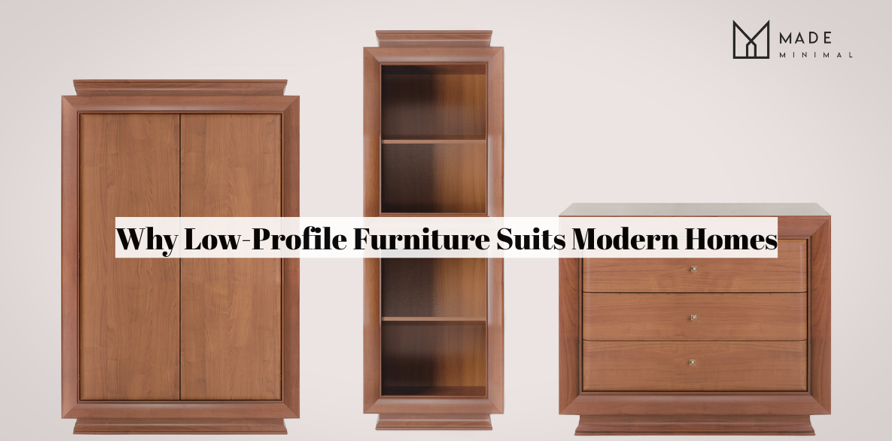
Why Low-Profile Furniture Suits Modern Homes
Low-profile furniture suits a modern home because it sits closer to the ground with slim frames and creates a visual room that makes your living areas feel larger and less cluttered.
If you ever walk into apartments around Australia, you’ll notice how a bulky sofa or tall entertainment unit makes a decent-sized room feel like a shoebox. That’s where retailers like Made Minimal focus on minimal pieces that keep your spaces feeling open rather than crowded.
This guide covers what makes your furniture low-profile, how it styles different rooms in your house, and which pieces actually work for everyday living. So, you’ll learn to pick the right sofa height, avoid common setup mistakes, and create a home that feels spacious.
Let’s get started.
What Makes Minimalist Furniture Low-Profile?
Minimalist furniture becomes low-profile when it sits within 45 cm of the floor and uses horizontal lines instead of vertical bulk.
What does it mean in particular, though? Well, low-profile furniture typically measures 30 to 45 cm in height for sofas and 20 to 35 cm for tables. Plus, its design focuses on clean lines and slim frames, which removes unnecessary decorative elements that add visual weight.
Following this approach, you can easily create a calm environment that dominates your sightline at first glance. For instance, a standard sofa with chunky rolled arms and a high back usually reaches 90 cm off the ground. Meanwhile, a low-profile version of the same sofa can keep everything closer to the floor with squared-off edges and minimal cushions.
Frankly, minimalist style often suits modern Australian homes because it emphasizes simplicity and functionality. On top of that, they silently do their job without demanding attention, letting your actual living space breathe instead of feeling boxed in by oversized pieces.
How Low-Profile Pieces Open Up Your Living Space
Low-profile furniture opens up your living space by keeping sightlines clear and letting natural light travel further across the room.
Now, let’s have a look at how lower pieces change the way your house feels:
Visual Tricks That Make Rooms Feel Bigger
Most of us don’t have the option to knock down walls and add more space. That’s why lower furniture works so well. It lets your eye move freely across the room, plus makes the walls feel taller and more open. It’s like tricking your brain into perceiving more room than you actually have.
Generally, the extra vertical space above your sofa or sideboard draws attention upward. We suggest setting a low modular sofa paired with a 30cm table. It will create an open centre zone where the room breathes instead of feeling cramped.
That’s how removing visual obstacles at your eye level makes a 20 sqm living room feel closer to 25 sqm. You can think of it like how bright paint colours expand a space.
See also: How to Become a Successful Online Personal Trainer from Scratch
Your Living Room Needs Breathing Space
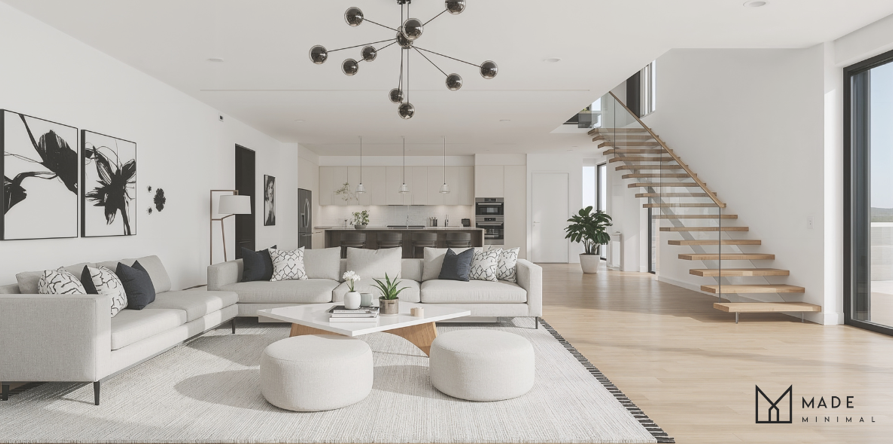
A low modular sofa creates an open centre where people can gather without the room feeling divided into separate sections (and yes, we’ve all tried navigating around that oversized lounge).
Besides, pairing lower seating with a minimal coffee table prevents your living room from looking like a furniture showroom where every piece competes for attention. This way, you get better traffic flow around your sofa and tables rather than squeezing between bulky furniture.
Most importantly, lower pieces let natural light spread further into the room while standard sofas cast large shadows that make spaces feel darker and smaller than they actually are.
Think about it this way: your living room feels more open when furniture doesn’t block sightlines. This is especially helpful in open-plan homes where the living and dining areas share the same visual flow.
Small Spaces Get the Biggest Benefit
Notice how Brisbane apartments and townhouses with 50 to 70 sqm living areas feel less cramped when they’re decorated with lower furniture. Drawing from our experience with Brisbane customers, apartment dwellers notice this difference most when they switch from standard-height sofas to low-profile modular configurations.
Your compact dining rooms in the terrace work better when your table height doesn’t overpower the narrow space. Here, you can set a 70 cm dining table paired with slim-leg chairs. It will create visual continuity without dominating the room.
Studio setups also suit the furniture that stays below your natural sightline. It creates separation without physical walls, which is mandatory when your bedroom, living room, and dining area all share one space.
Picking the Right Low-Profile Furniture
The best part about choosing low-profile furniture is that you can instantly convert a cramped room without renovating or knocking down walls.
Here’s what to look for when you’re ready to make this switch:
Modular Sofas vs. Traditional Lounges
Traditional sofas come with chunky rolled arms and high backs that reach 45 to 50 cm off the ground. Instead, modular options feature squared-off edges that take up less visual space, typically measuring 35 to 40 cm with sleeker profiles.
Despite being lower-profile, modular’s low-back designs have around 75 cm. It gives you comfortable back support without blocking views. Besides, its versatile design suits your everyday living better than a fixed sectional sofa.
What’s more, most modular collections offer fabric or leather options, so you can match the material to your style without compromising. They even let you reconfigure your living room layout without buying new furniture when you move houses or want to refresh the space.
Dining Room Furniture That Doesn’t Dominate
Slim-leg dining tables often create negative space underneath. It makes the floor area look larger than solid-base designs.
However, standard dining tables sit at 75 cm, but choosing a 70 to 72 cm height paired with clean-lined chairs keeps the dining room feeling open. These tables also have glass or light timber at the tops that reflect natural light rather than absorbing it like dark, heavy dining sets.
This way, wood tables with thin legs feel less imposing while still offering the durable, functional surface you need for family meals.
Bedroom Setup: Lower Is Often Better
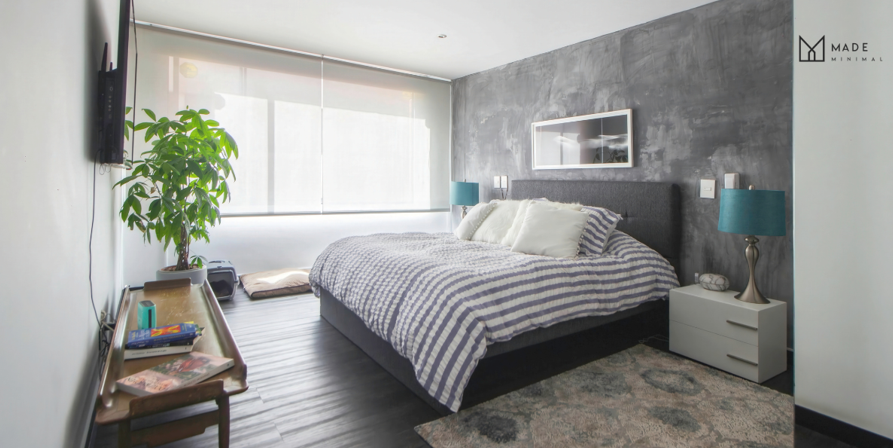
Platform beds eliminate the need for box springs, which brings your mattress closer to the ground for a grounded, restful feel. Exactly like hotel rooms, beds with low frames to create that calm, uncluttered atmosphere.
Apart from the bed, low dressers around 80 cm tall also keep storage accessible without towering over the room like traditional tallboys. Based on feedback from our Made Minimal customers, platform beds paired with minimal side tables create the kind of inviting bedroom space where people actually want to spend time.
That’s how Japanese-inspired low frames paired with wall-mounted bedside shelves maintain simplicity without sacrificing functionality.
Common Mistakes When Going Low-Profile
If you go too low with your furniture, it can backfire if you forget about comfort and daily practicality.
Here are the mistakes that trip people up most often:
- Sofas Under 30 cm: Sometimes, buying a 25 cm sofa might seem modern, but anyone over 60 or with knee issues will struggle to get up after sitting. That’s why choose a perfect sofa that balances your style with functional comfort (which usually means staying above 30 cm for seat height).
- Mixing Heights: When you pair one low-profile modular sofa with standard-height armchairs and tables, it will create an awkward jump instead of a cohesive flow. Trust us! Your space works better when furniture pieces maintain similar proportions across the room.
- Style Over Storage: Remember, choosing low dressers and cabinets limits the practical storage you use for everyday living. Besides, a low sitting dining table makes family meals uncomfortable, and shallow furniture means you’ll run out of space for cushions, covers, and other materials.
- Forgetting Who Uses the Space: Your furniture needs to suit everyone in the house, not just look good in photos. That means you have to think about comfort, seat heights, and maintaining harmony at the same time.
Quick tip: To avoid the above mistakes, always measure what you have now and test seat heights. Then choose flexible solutions that work for your family rather than just chasing the low-profile trend.
Make Your Space Work Harder
Low-profile furniture converts cramped living rooms into spaces that actually breathe. This difference often lies in keeping sofas, tables, and other pieces below your natural sightline so the room feels open.
Start by measuring your current sofa and table heights. If they’re above 45 cm, switch them to lower modular configurations. This simple change will instantly create more visual space without requiring renovation.
Made Minimal’s Brisbane showroom stocks a range of low-profile pieces designed for modern Australian homes. Browse the collection online or visit in person to see how the right furniture height can change the way your house feels.