Sustainable Fashion: Why Eco-Friendly Apparel is the Future
The fashion industry is changing fast. Consumers are no longer only focused on style—they also care about how their clothes are made. That’s why sustainable fashion has become a major topic across global markets. Many buyers and retailers now follow insights from platforms like Apparel o clock to understand how eco-friendly apparel is shaping the future of clothing.
This shift is not just a trend. It reflects a long-term shift in buying behavior, in which quality and responsibility matter more than speed of production.
What Sustainable Fashion Really Means
At its core, sustainable fashion focuses on reducing environmental impact. This includes using organic materials, limiting waste, and improving production methods.
It also covers fair labor practices and ethical sourcing. Consumers today want to know where their clothes come from and how they are made.
Understanding this concept is important for businesses that want to stay relevant in the changing apparel industry.
Why Consumers Are Moving Toward Eco-Friendly Apparel
People are becoming more aware of environmental issues. Fast fashion has been linked to waste, pollution, and short product life cycles.
As a result, many buyers are choosing fewer but better-quality items. This change directly supports the growth of sustainable fashion across global markets.
Retailers are also responding by offering more eco-conscious collections that align with customer expectations.
The Role of Materials in Sustainable Clothing
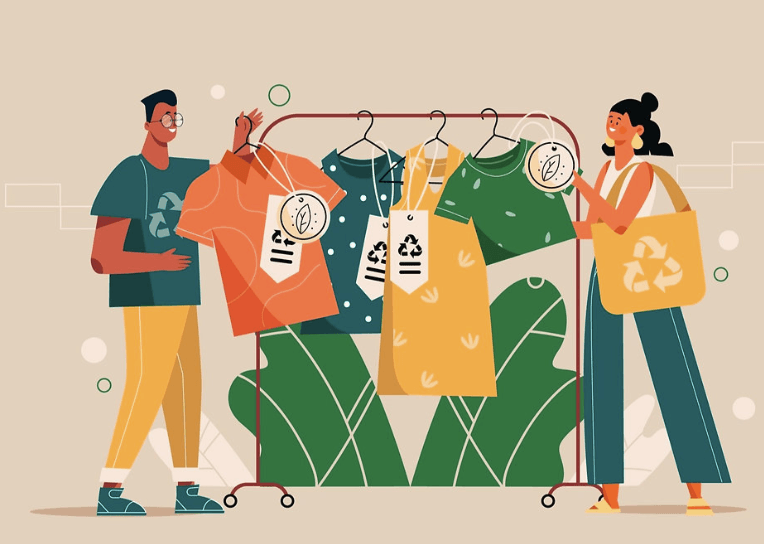
Fabric selection plays a big role in sustainability. Organic cotton, recycled polyester, and biodegradable materials are now widely used.
These materials reduce environmental damage and improve product durability. For wholesale buyers, this means investing in apparel that lasts longer and performs better.
Some businesses also combine sustainability with performance wear by sourcing options like wholesale Sport-Tek apparel, where durability and functionality are key factors.
How Sustainable Fashion Impacts Wholesale Buyers
Wholesale buyers are adjusting their strategies to meet new demand. Instead of focusing only on low-cost production, they now consider quality and sourcing practices.
This approach helps build long-term customer trust. It also reduces returns and improves brand reputation.
Platforms like Apparel o clock often highlight how wholesalers are shifting toward eco-friendly collections to stay competitive in global markets.
See also: The Top Benefits of Using Technology Expense Management Software for Businesses
Balancing Cost and Sustainability
One challenge with sustainable fashion is pricing. Eco-friendly materials and ethical production can increase costs.
However, many consumers are willing to pay more for better quality and responsible products. This creates an opportunity for brands to position themselves in a higher-value segment.
Over time, as demand increases, production costs are expected to become more manageable.
The Rise of Slow Fashion
Slow fashion is closely linked with sustainability. It focuses on producing fewer items with better quality.
Instead of following fast-changing trends, slow fashion encourages timeless designs and longer usage.
This model benefits both consumers and businesses by reducing waste and improving product value.
Technology and Innovation in Sustainable Apparel
New technologies are helping brands improve sustainability. Water-saving dyeing methods, fabric recycling systems, and efficient production techniques are becoming more common.
These innovations make it easier for businesses to adopt eco-friendly practices without sacrificing performance.
For example, performance-based apparel categories, including wholesale Sport-Tek apparel, are evolving to include more sustainable options without compromising functionality.
Consumer Awareness and Brand Responsibility
Brands today are expected to be transparent. Customers want clear information about materials, sourcing, and production processes.
This has led to better communication between brands and buyers. Companies that openly share their practices tend to build stronger trust.
As sustainable fashion continues to grow, transparency will become even more important.
Conclusion: The Future of Sustainable Fashion
The future of fashion is shifting toward responsibility and long-term thinking. Sustainable fashion is no longer optional—it is becoming a key part of the industry.
Businesses that adapt early will have a strong advantage. From material selection to production methods, every decision plays a role.
With guidance from platforms like Apparel o clock and growing consumer awareness, the move toward eco-friendly apparel is set to continue for years to come.