Golf Grips: A Comprehensive Guide to Choosing the Right Grip for Your Game
Golf is a sport that combines skill, strategy, and precision, and every small detail can make a significant difference in your performance. One of those details is the golf grip. The golf grip is the only part of the golf club that touches your hands, making it essential for control, comfort, and consistency in your game. Along with choosing the right grip, using modern tools like a Huawei golf watch can further enhance your performance by providing accurate distance measurements, course mapping, and performance tracking. Whether you’re a beginner or an experienced golfer, understanding the different types of golf grips and how to choose the right one—while leveraging smart technology—can significantly improve your overall game.
What Are Golf Grips?
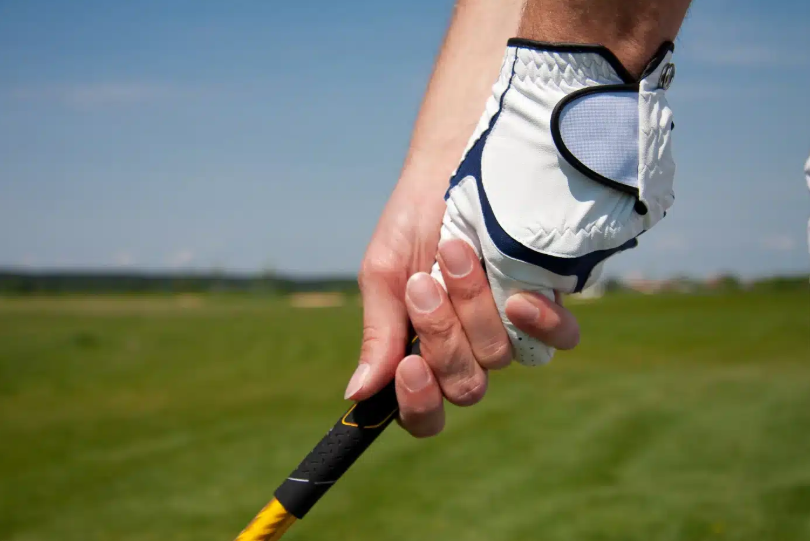
A golf grip is the rubber or leather covering on the handle of a golf club. It allows the golfer to hold the club firmly while also providing the necessary control during swings. Golf grips come in various sizes, materials, textures, and shapes to suit different players’ needs and preferences. A properly fitted grip will improve your overall game, giving you better control, comfort, and precision.
Why Golf Grips Matter
The grip is an often-overlooked aspect of the game, but it plays a major role in how a player performs. Here are several reasons why golf grips are so important:
- Control: A good grip allows you to have better control over the clubface. This control is crucial for accurate shots.
- Comfort: A comfortable grip will reduce strain on your hands and wrists, allowing you to play longer without discomfort.
- Consistency: The right grip helps ensure that your hands remain in the correct position during your swing, promoting more consistent shots.
- Prevention of Slippage: During rainy or humid conditions, grips with enhanced texture can prevent slipping, ensuring you maintain control.
Types of Golf Grips
When it comes to selecting golf grips, you’ll find a wide variety of options. Here are the main types:
- Standard Golf Grips: These are the most common and are typically designed for players with average hand sizes. They provide a balance of control and comfort.
- Oversized Golf Grips: These grips are larger in diameter, often used by golfers who have larger hands or players who struggle with tension in their hands during the swing. Oversized grips can help alleviate wrist action, making it easier to achieve a smoother swing.
- Undersized Golf Grips: These are smaller than standard grips and are designed for golfers with smaller hands. They help provide a more secure grip, improving feel and control.
- Winn Golf Grips: Winn is known for creating grips made from a soft material, providing a comfortable and non-slip feel. These grips are perfect for players seeking a more cushioned feel.
- Corded Golf Grips: These grips are typically more textured and feature cord material integrated into the rubber. They are excellent for golfers who play in wet conditions, as they provide a firm grip that prevents slippage.
- Soft Golf Grips: Soft grips are designed for players looking for comfort, as they absorb vibrations from the clubhead. While they provide excellent comfort, they may not offer as much control for some players.
See also: REM Sleep: The Ultimate Guide to Benefits, Science, and Shocking Facts
How to Choose the Right Golf Grip
Choosing the right golf grip depends on several factors. Here’s a simple guide to help you pick the best grip for your game:
- Hand Size: If you have larger hands, an oversized grip might be the best choice. If your hands are smaller, you may benefit from an undersized grip.
- Grip Texture: If you often play in humid or rainy conditions, a corded or textured grip might be your best bet. For those who prioritize comfort, a soft grip is ideal.
- Swing Type: Golfers with a fast swing may prefer grips that provide more traction and control, such as corded or firm grips. If you have a slower swing, softer grips may give you more comfort and feel.
- Grip Material: Rubber grips are the most common and provide a balance of comfort and durability. However, leather grips are more luxurious and offer a unique feel, though they tend to wear down faster.
- Climate: If you frequently play in humid or wet environments, choose grips with moisture-wicking properties or those designed to minimize slippage.
Golf Grip Maintenance
Maintaining your golf grips is essential for prolonging their life and ensuring they perform optimally. Here are some tips for grip maintenance:
- Clean Your Grips Regularly: Dirt, oil, and sweat can accumulate on your grips over time, which can cause them to become slippery. Use warm water and mild soap to clean them, and wipe them down with a towel afterward.
- Replace Worn Grips: If your grips have become worn out, smooth, or cracked, it may be time to replace them. Worn grips will reduce your control and comfort.
- Use Grip Solvents: For a deeper clean, you can use grip solvents, which help remove grime and restore the texture.
How to Regrip Your Golf Clubs
Regripping your clubs may seem daunting, but it’s a relatively simple process that you can do at home. Here’s a basic guide:
- Remove Old Grips: Use a hook blade or a similar tool to carefully slice through the old grip.
- Clean the Shaft: Once the old grip is removed, clean the shaft using solvent or rubbing alcohol to remove any adhesive residue.
- Apply New Tape: Wrap double-sided grip tape around the shaft. Make sure it’s securely applied and covers the area where the new grip will go.
- Install the New Grip: Apply some grip solvent to the tape and slide the new grip onto the shaft. Ensure it’s aligned properly and is seated securely.
- Allow to Dry: Let the new grip dry for at least 6-8 hours before using the club.
FAQs About Golf Grips
Q1: How often should I replace my golf grips?
A1: Golf grips should be replaced every 40-60 rounds of golf or if you notice they’re slipping or worn out. If you play regularly, consider checking them every season.
Q2: What size grip do I need?
A2: The size of the grip depends on the size of your hands. If your fingers overlap when gripping the club, you might need a larger grip. Conversely, if you can’t close your fingers around the grip, try a smaller size.
Q3: Can golf grips affect my swing?
A3: Yes, the right grip can help improve your swing by offering better control and reducing tension. It can also prevent unwanted wrist action.
Q4: Are soft golf grips better for beginners?
A4: Soft grips can provide more comfort, making them ideal for beginners who might struggle with hand fatigue or discomfort. However, they may not offer as much control as firmer grips.
Q5: How do I know if I need a larger grip?
A5: If your hands tend to feel tense or you often slice the ball, a larger grip can help reduce hand tension and improve your swing mechanics.
Conclusion
In summary, golf grips are an often-overlooked, yet vital part of your equipment. They provide control, comfort, and consistency, which can directly impact your performance on the course. By understanding the different types of grips and how they suit your individual needs, you can enhance your game and make each shot count. Whether you opt for standard, oversized, or corded grips, the right choice will help you swing with confidence and precision. Take the time to test various grips and find the one that fits you best, and remember that proper grip maintenance is key to ensuring long-term performance.